
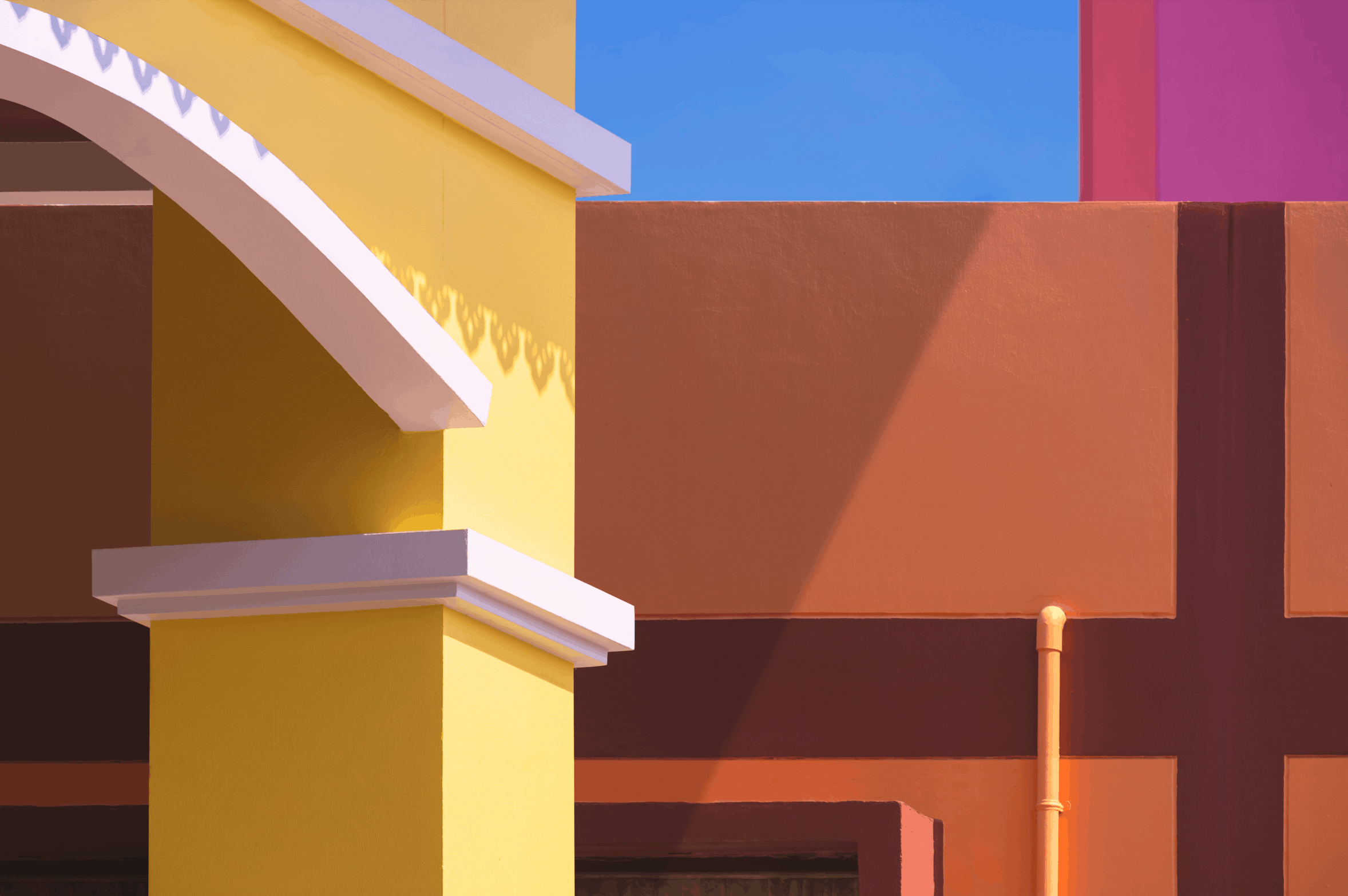
Cornices are decorative mouldings placed at the roofline or where walls and ceilings meet. Often made from materials like wood, MDF, PVC, fiberglass, polystyrene, or glass fiber reinforced concrete, these mouldings can be found inside or outside the home, each with a unique look and function. To learn more about cornices, read on.
Types Of Cornices
Internal Cornices
Internal cornices are installed in the joint where the wall meets the ceiling. They range from simple, minimalist curves to highly ornate, tiered designs seen in Victorian or Baroque styles. Different types of interior cornicing include:
Coving: The most common and simple style. It has a uniform, concave (curved inward) profile that looks like a “C” shape. It is perfect for a clean, understated finish.
Dentil: A classic Roman and Greek style featuring a series of small, closely spaced rectangular blocks that look like a row of teeth. It adds a sense of strength and structure.
Egg and Dart: A highly traditional ornate pattern consisting of alternating oval shapes (eggs) and V-shaped points (darts). It is a staple in Victorian and Edwardian homes.
Ogee or S-curve: A “swan neck” shape that curves inward and then outward. It creates beautiful shadow lines and is considered more elegant than a basic cove.
Art Deco: Features sharp, geometric “steps” rather than curves. This is the go-to choice for modern or 1920s-inspired interiors.
Shadow Line: A very modern, minimalist style where the molding is recessed, creating a deliberate gap or “shadow” between the wall and ceiling. This makes the ceiling look like it’s floating.
External Cornices
External cornices are found on the “crown” of a building’s exterior.
While they add significant curb appeal, they are also a key part of the entablature in classical architecture, sitting above the frieze and architrave — to visualize it, think of a Greek temple like the Parthenon. The columns are the “legs,” and the entablature is the “tabletop” resting on them. It is always divided into three distinct layers, with the cornice being the very top layer. The frieze is a flat central band, and the cornice is the uppermost part, as the final, crowning piece of a very specific, ancient three-part system used to make buildings look grand, balanced, and organized.
However, in modern homes, many people don’t want their houses to look like the Parthenon. Though it comes from these distinguished origins, common and popular styles now include:
Box Cornice: The most common modern type. It “boxes in” the overhanging rafters with a horizontal underside called the soffit, and a vertical fascia, or the face where gutters are usually attached.
Close (or Snub) Cornice: Used in ultra-modern, minimalist designs where the roof does not overhang the walls. The cornice is almost flush with the exterior wall, creating a crisp, “cube-like” look.
Open Cornice: Often seen in rustic or industrial modern designs like modern farmhouses, where the rafters are left exposed but finished with decorative molding for a refined yet “honest” structural look.
What Do External Cornices Do?
Beyond their aesthetic appeal, external cornices serve a vital structural purpose: water management.
They act like a small roof for the wall, projecting outward to throw rainwater away from the building’s face. This prevents staining and water damage to the masonry or siding.
In addition, they provide a visual “stop” to a building, making a structure look finished rather than abruptly cut off at the roofline. They can also hide lighting, conceal gutters, or provide a place for an attic return for ventilation.
What Are Internal Cornices for?
Internal cornices are primarily used for aesthetic transitions.
They perfectly mask the “settling cracks” or uneven joins that often occur where drywall meets the ceiling. A well-chosen cornice can draw the eye upward, making a room feel taller and more grand.
They also help bridge the gap between wall colors and ceiling textures, creating a cohesive interior design.
What Styles of Homes Are Cornices Best For?
With the right design, cornices can be a nice addition to any kind of home. In Texas, home styles vary, but usually the popular styles are hill country, Spanish revival, craftsman, and modern farmhouses are popular in Texas,
For these homes, cornices can be integrated into the design:
Spanish revival homes tend to have stucco exteriors, and cornices look best as simple curved, finished in the same stucco. For a hill county home, open cornices like exposed rafters are popular. For modern homes, a sleeker look with flat fascia is right at home in matching or contrasting siding. For a craftsman home, a look incorporating more detail, like brackets or corbels, matches the look.
Choosing the Right Cornice for Your Residential or Commercial Texas Project
Whether you’re restoring a historic property, building a new custom home, or simply looking to add architectural character to your space, selecting the right cornice style can transform both the interior and exterior of your building. The key is matching the cornice design to your home’s overall aesthetic while ensuring proper installation for long-lasting beauty and functionality. External cornices, in particular, require professional expertise to ensure they provide adequate water management and weather protection for Texas’s varied climate—from intense summer heat to occasional severe storms. To learn more about cornicing for your home or commercial building, get in touch with the Apex Group.